







Search Results for: warm milk extraction

Can Warm Milk Extract Coffee? A Comparative Test of Three Coffee Beans to Help You Make Smooth Milk-Brewed Coffee
What kind of flavor performance would using warm milk instead of cold water to extract coffee bring? Front Street Coffee conducted a comparative experiment with three beans of different roast levels and found that the medium-roast bean, when soaked in warm milk, had both fruity aromas and chocolate notes, and its mouthfeel was the most appealing. But the experiment also revealed the problem that a milk temperature of 40°C combined with a granulated sugar grind size and a 3-hour soak easily led to over-extraction. For this reason, Front Street adjusted the plan, shortening the time to 1.5 hours and switching to Ethiopian Santa Vini beans, obtaining a smooth milk coffee interwoven with honey, pineapple, and cream biscuit notes. This article fully records the experimental process and tasting results, providing a reference for enthusiasts who want to try milk-extracted coffee. [more…]
Examining the Necessity of Warming Coffee Cups: How Temperature Affects Flavor Perception and the Milk Temperature Requirements for Lattes
In recent years, there has been ongoing debate about whether the traditional practice of warming coffee cups is practical. Some believe that warming the cup is an unnecessary step, as the taste of coffee will not change due to the cup's temperature; others insist that warming the cup helps retain heat and prevents the coffee from being cooled by absorbing heat from the cup. Front Street Coffee points out that whether to warm the cup depends on the situation. Although the taste of coffee itself does not change with temperature, our ability to perceive flavor does change with temperature. For example, with pour-over coffee, after preheating the container, the extraction temperature is about 70°C, which is too hot to drink and the flavor is not obvious; when the cup is not warmed, it is about 65°C, which is palatable and rich in taste. Although the temperature difference between the two is small, the initial taste experience is completely different. So, is pour-over coffee better without warming the cup? What are the requirements for milk temperature in a latte? This article will provide a detailed analysis for you. [more…]
Illustrated Guide to Espresso Making | Which Is More Bitter, Latte or Iced Americano? Does Starbucks Americano Taste Good? Can You Add Sugar and Milk to Espresso?
For more specialty coffee knowledge, please follow: Front Street Coffee (Frontsteet Coffee) Before figuring out questions like "the difference between Americano and Latte," "which coffee is less bitter, Americano or Latte," "which tastes better, Americano black coffee or Latte," and so on, Front Street believes [more…]
Do You Really Need to Preheat Your Cup Before Making Coffee? A Comprehensive Analysis of the Differences in Cup Warming Between Espresso and Pour-Over
In the process of coffee making, whether cups need to be preheated in advance has always been a topic of discussion among enthusiasts. For espresso, warming the cup is almost indispensable, because drinks such as espresso, latte, and cappuccino noticeably deteriorate in flavor after their temperature drops. The situation with pour-over coffee is somewhat different: it allows you to taste layered changes across different temperature ranges, and the serving temperature itself is relatively high, so whether to warm the cup depends more on the actual scenario and needs. This article will combine Front Street Coffee's practical comparisons to analyze in detail the respective effects of cup warming on espresso and pour-over coffee, and provide specific suggestions for different cup types, helping you make a more suitable choice in your daily brewing. [more…]
Americano vs Latte | Which tastes more bitter, Americano or Latte? What is the relationship between Americano, Latte, and Espresso?
Before figuring out questions like "the difference between Americano and Latte," "which coffee is less bitter, Americano or Latte," or "which tastes better, Americano black coffee or Latte," Front Street Coffee believes everyone first needs to understand what espresso is. What on earth is espresso? Espresso [more…]
Why can latte coffee layer? From density principles to production details, analyzing the science of a beautifully layered latte.
Latte is the starting point for many people's journey into freshly ground coffee, but do you know why a latte can present such a beautiful layering? This article begins with the historical origins of the latte and, combined with Front Street Coffee's production experience, analyzes how the density difference between espresso and milk creates the layered effect. We will also take an in-depth look at the flavor characteristics, extraction parameters, and milk frothing techniques of Front Street Sunflower Warm Sun blend beans, and compare the layering principle and drinking method of Dirty coffee. Whether you want to understand the science of lattes or want to recreate a cup of layered milk coffee at home, this article can provide you with practical reference. [more…]
Easily make a warm and rich hot mocha coffee at home, with a full breakdown of detailed steps and ingredients
Want to enjoy a warm, cozy hot mocha at home? It's actually not complicated to make. This article will walk you through how to choose the right chocolate ingredients, master the technique of blending milk foam with espresso, and complete this classic drink that combines rich coffee with sweet chocolate, step by step. From ingredient preparation to decorative touches, we'll also share Front Street Coffee's hands-on experience, including tips on preventing chocolate from hindering milk foam formation, and how to use marshmallows and a torch to create an enticing appearance. Whether you're a coffee novice or a seasoned enthusiast, you'll gain practical inspiration to easily recreate a café-quality warm treat. [more…]
Latte with milk, Americano with water: the differences between two espresso drinks and the real reason Americanos taste bitter
Standing at a café counter, beginners are often stumped by drinks with similar names on the menu: latte and americano seem to share the same origin—one is poured with milk, the other diluted with water—yet their flavors are worlds apart. Starting from what Front Street Coffee serves in its shops, this article explains the definition of espresso and the logic of its extraction, compares latte and americano in method and taste, shares the flavor profile and specific extraction parameters of the Warm Sun blend beans, and answers why americano tastes bitter—which bitterness is normal, which bitterness signals a problem with extraction, and the corresponding adjustment approaches. [more…]
How Is Australian White Coffee Different from Flat White? A Detailed Explanation of Flat White's Milliliters, Preparation, and Differences from Latte and Cappuccino
When visiting a café and ordering a milk coffee, most people first think of a latte or cappuccino, but at Luckin Coffee and Starbucks, you'll also see names like "Furui White" and "Aorui White." They all actually refer to Australian-style white coffee, namely Flat White. This article sorts out the controversy over the origin of flat white, its differences from latte and cappuccino in cup size, milk volume, and milk foam thickness, and provides Front Street Coffee's flat white preparation method, including the extraction parameters for a double espresso, key points for steaming milk, and latte art techniques. It also introduces the flavor sources and suitable scenarios for Front Street Coffee's Sunflower Warm Sun blend coffee beans. [more…]
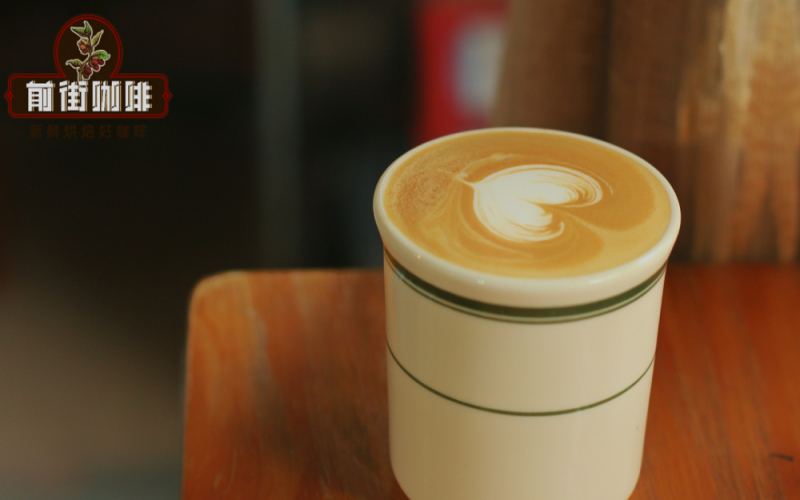
The Difference Between a Flat White and a Latte: From Milk Foam Thickness to Extraction Ratio, Which One Suits You Better?
Flat White and Latte are both combinations of espresso and milk, but they differ in cup size, milk foam thickness, and coffee strength. This article begins with the origins of the Flat White, traces its journey from the Southern Hemisphere to the rest of the world, and compares it one by one with the Latte in terms of ratio, mouthfeel, and preparation method. It also introduces the specific recipe Front Street Coffee uses to make a Flat White, including the composition of the Warm Sun Blend, the extraction parameters for a double ristretto, and the control of milk steaming temperature, helping coffee enthusiasts understand why this "small latte" is better suited to showcasing the regional flavors of specialty coffee beans. [more…]
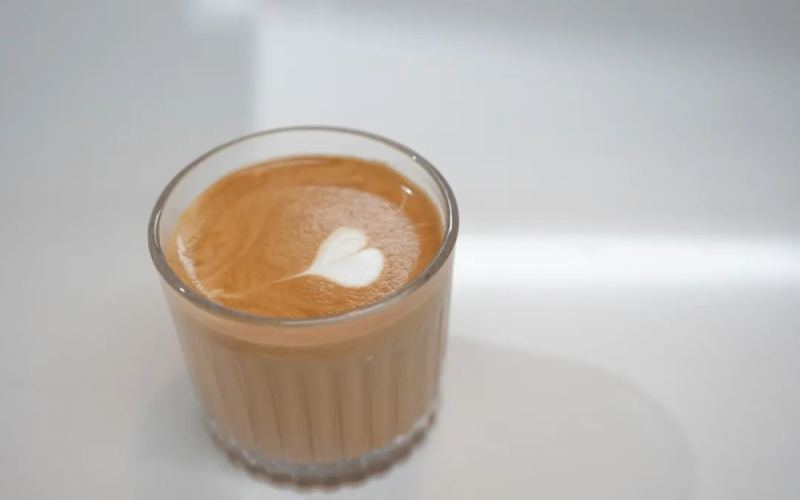
Does Flat White Contain Sugar? A Detailed Explanation of the Number of Espresso Shots and the Production Process of Luckin's Aussie White
Flat White coffee, which is called Fu Rui Bai on Starbucks menus and Ao Rui Bai at Luckin, comes with no sugar by default and highlights the richness of coffee and the smoothness of milk. Its biggest difference from a latte lies in the thinner milk foam, smaller cup size, and lower proportion of milk, while the espresso base is often switched to Ristretto. This article breaks down the production logic of a Flat White from the perspectives of milk foam thickness, milk quantity, and espresso extraction parameters, and, combined with Front Street Coffee's store serving plan, introduces the flavor performance of Warm Sun blend beans in a Flat White, helping coffee lovers understand why this milk coffee tastes richer. [more…]
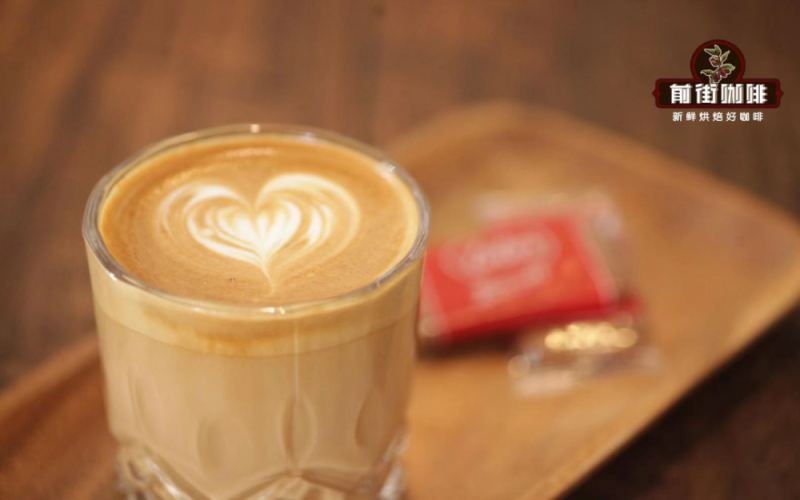
A Detailed Guide to Making an Aussie White Coffee: Taste Differences from a Latte and Cold vs. Hot Drink Recommendations
With its rich and sweet flavor, the Flat White has won the favor of many enthusiasts at coffee shops like Luckin. Although Front Street Coffee's menu doesn't feature this drink, the baristas will still craft it with care whenever a customer orders it. This article will present Front Street's complete process for making a Flat White, covering equipment preparation, extraction parameters, and milk frothing ratios, while also comparing the differences between a Flat White and a Latte in terms of foam thickness, cup size, and coffee ratio, and explaining why a Flat White is only served hot and why a Dirty can substitute for those wanting a cold drink. [more…]
How to Make Milk-Brewed Coffee? From Bean Selection to Cold Brew, Front Street Shares a Practical Guide to Milk-Extracted Coffee
When water can no longer satisfy coffee enthusiasts' desire for exploration, milk becomes a new extraction medium. Is it reliable to brew pour-over coffee with milk? The answer is no—milk has high saturation, weak extraction power, and proteins denature when heated above 70 degrees. But with a different approach, cold-brewing milk coffee by soaking coffee grounds in milk at low temperature is entirely feasible: low temperatures won't spoil the milk, and the extended soaking time exactly compensates for the lack of extraction efficiency. This time, Front Street Coffee selected the medium-dark roasted Sunflower Warm Sun blend, paired with Guangming Fresh Pasture fresh milk, using a 1:8 coffee-to-milk ratio and soaking at low temperature for 12 hours, ultimately obtaining a cup of milk-brewed coffee with sherry wine aroma and chocolate milk flavors. Let's take a look at the specific steps and key details below. [more…]
What Is the Difference in Bitterness Between Americano and Latte? A Complete Analysis from Espresso Base to Front Street Coffee Blend Beans
American coffee and latte coffee, which cup is actually more bitter? This question seems simple, but behind it lies the extraction principles of espresso, the dilution effects of milk and water, and the profound influence of coffee bean blending methods on flavor. Front Street Coffee will start with the definition and parameters of Espresso, analyze the flavor differences between American coffee and latte layer by layer, and provide a detailed introduction to the characteristics and suitable applications of various espresso blend beans, helping you make a choice that better suits your personal taste when ordering at a café, and also replicate a satisfying cup of espresso at home. [more…]

Starbucks Flat White vs. Australian White Coffee Brewing Guide: Espresso Bean Selection and Extraction Techniques Explained
In 2015, Starbucks introduced the classic Australian Flat White to its menu under the name "Fu Rui Bai," and this coffee quickly became a hit in China. What's the difference between a Flat White and a latte? Why is it only served hot? The key to making an authentic Flat White lies in the pairing of the espresso base with light, thin milk foam. This article will start with the historical origins of the Flat White, then gradually break down Front Street Coffee's extraction parameters and milk frothing techniques, and recommend four espresso blends suitable for making Flat Whites, including the gently styled Warm Sun Blend and three nutty-toned blends, to help you recreate a rich, velvety Flat White at home. [more…]

How Does Portafilter Temperature Affect Espresso Extraction? A Comparative Test of Brew Head Preheating vs. Chilled Portafilter
Espresso extraction involves numerous variables, and portafilter temperature is often overlooked. Front Street Coffee designed a comparative experiment to address the question of "whether the hot or cold brew head affects tamping force": keeping dose and yield fixed while only changing the portafilter temperature, recording time, concentration, flavor, and milk-coffee performance. The experiment used Front Street Sunflower Warm Sun Blend, and the results showed that although temperature did not significantly change the extraction yield, it clearly steered the flavor direction—a preheated portafilter made the full-bodied feel and winey notes more prominent, while a chilled portafilter amplified the fruity acidity and light texture. This article will present the complete experimental data and tasting conclusions, and answer whether tamping force needs to be adjusted with temperature, as well as how to decide on a portafilter preheating strategy based on the coffee bean roast level. [more…]

An Analysis of the Taste Differences Between Espresso and Americano: Which Flavor Do Coffee Enthusiasts Usually Prefer?
On a scorching summer day, the refreshing coolness of an iced Americano, or the satisfaction brought by the rich milky aroma of espresso—it's hard to choose between them. Although many people have tried both types of coffee, they find it difficult to accurately describe the differences in their taste. From the perspective of Front Street Coffee, this article systematically sorts out the definition evolution, taste characteristics, and suitable audiences of Americano and espresso. It explains in detail the espresso bean selection for Americano, extraction parameters, the mixing ratio of water to coffee, as well as the key points for making hot and iced Americanos. It also includes fun little tips for Americano latte art, helping coffee lovers more clearly understand the flavor logic of the two types of coffee. [more…]
What is the difference between a Flat White and a Latte? A detailed explanation of the origins, ratios, and Front Street Coffee's classic method for Australian White coffee
Many people first heard of the Flat White in 2015, when Starbucks added it to its permanent menu under the name "Fu Rui Bai." After that, a flurry of other names emerged, such as Costa's "Chun Yi Bai" and Luckin's "Ao Rui Bai," while the baristas at Front Street Coffee prefer to call it "Ao Bai." This milk coffee originating from the Southern Hemisphere—how exactly does it differ from a latte or a cappuccino? Why does it taste more strongly of coffee, with thinner milk foam? This article traces its origins and explains its recipe, helping you grasp the core logic of the Flat White, and includes Front Street's complete method for making a Flat White with the Warm Sun Blend. [more…]
How Long Can an Iced Latte Be Stored? A Full Breakdown of the Standard Latte Ratio and Preparation Details
Iced latte may seem like a simple three-step process—add ice, pour milk, pour coffee—but making a truly delicious iced latte involves much more than meets the eye, from selecting ingredients and getting the ratios right to mastering the operational details. This article will explore three key aspects: choosing coffee beans and milk, pairing milk-to-coffee ratios, and the critical details in the production process, helping coffee enthusiasts understand the flavor control logic behind iced latte. It will also answer a common question: how long can an iced latte be kept after it's made? Using Front Street Coffee's Sunflower Warm Sun blend and Vitasoy fresh milk as examples, the article provides specific parameter references and explains how the espresso extraction state affects the entire drink, making it suitable for those looking to elevate their iced latte-making skills. [more…]
The Complete Guide to Espresso Extraction: Grinding, Dose-to-Yield Ratio, and Time Parameters, with Front Street Coffee Espresso Blend Recommendations
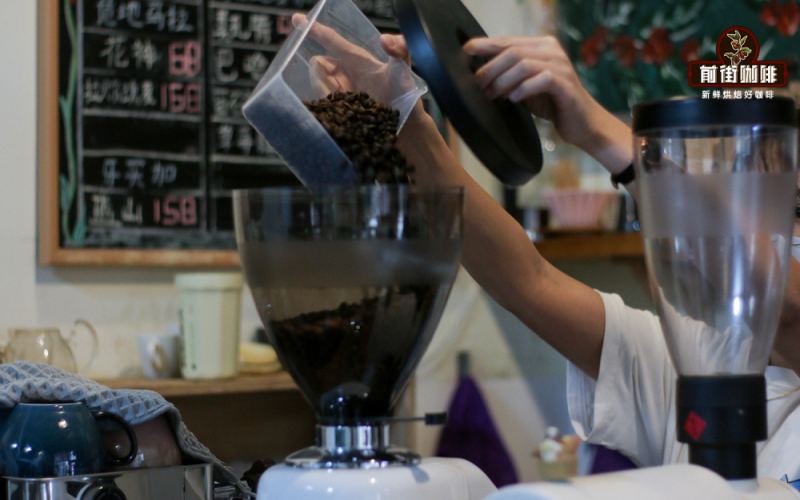
Many friends who are new to espresso focus their attention on milk foam and latte art, but what truly determines the quality of a milk coffee is actually the extraction quality of the espresso. Drawing on the hands-on experience of Front Street Coffee, this article systematically explains why espresso blend beans are chosen, how to adjust daily extraction parameters, and the complete process and judgment criteria from distribution and tamping to extraction. It also introduces products such as Front Street Sunflower Warm Sun Blend and Front Street Specialty Blend, helping coffee enthusiasts and professionals consistently produce a delicious cup of espresso. [more…]